Begin with what should be expressed
An olfactory identity project starts with a question about the organisation or place it will represent. Which values guide it? What history belongs to the place? Which behaviours give the experience its character? The answers establish the context in which to assess fragrance proposals.
Pleasantness remains relevant. The project also asks why a composition is appropriate to this particular identity. A choice becomes explainable when it can be traced back to a shared brief.
Build coherence across points of contact
People encounter fragrance within an experience made of people, words, materials and gestures. An entrance, a package and a gift serve different purposes. The same identity can find an appropriate presence in each, with intensity and use carefully considered.
The work therefore includes both the composition and its applications. Materials, objects and spatial conditions affect how fragrance is perceived. A promising idea on paper needs to be tested in its actual setting.
Two projects, two ways to assess coherence
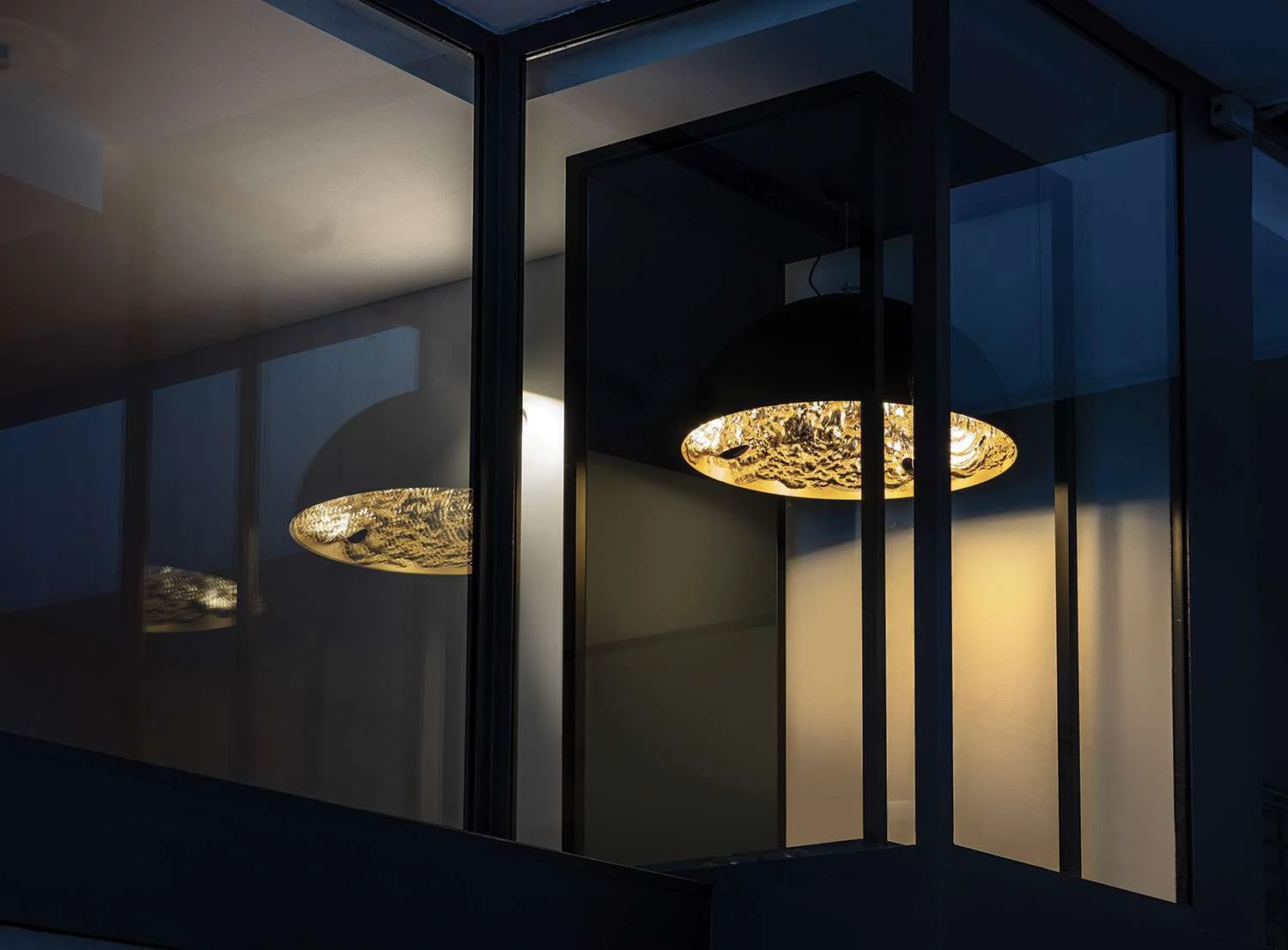
The UNI project starts from the relationship between rigour and the ability to create connections. The name Rigore Salato and its olfactory direction can be understood through that question. For Catellani & Smith, warmth connects light, craftsmanship and hospitality. The showroom provides a specific setting in which to assess the scent.
These examples suggest a working principle. Before describing a fragrance as elegant, enveloping or contemporary, explain what those words mean for this particular organisation. The same word may express very different intentions. A sample helps people compare them; the brief keeps the discussion connected to its purpose.
Extending the fragrance to different applications also tests the choice. For Catellani & Smith, the work includes spaces, reed diffusers and packaging. Each medium changes how the fragrance is encountered. Continuity depends on preserving the narrative direction while checking the scent’s performance in each setting.
Observe what happens
Activation begins another period of listening. Do people recognise the fragrance? Does it feel consistent with the setting? Can the team managing the space use it reliably? These questions call for practical feedback, without attributing effects to scent that have not been observed.
The Scent Identity Design method takes this work through seven stages, from Listening to Resonance. Their relationship helps preserve the original purpose as a project develops and continues over time.